
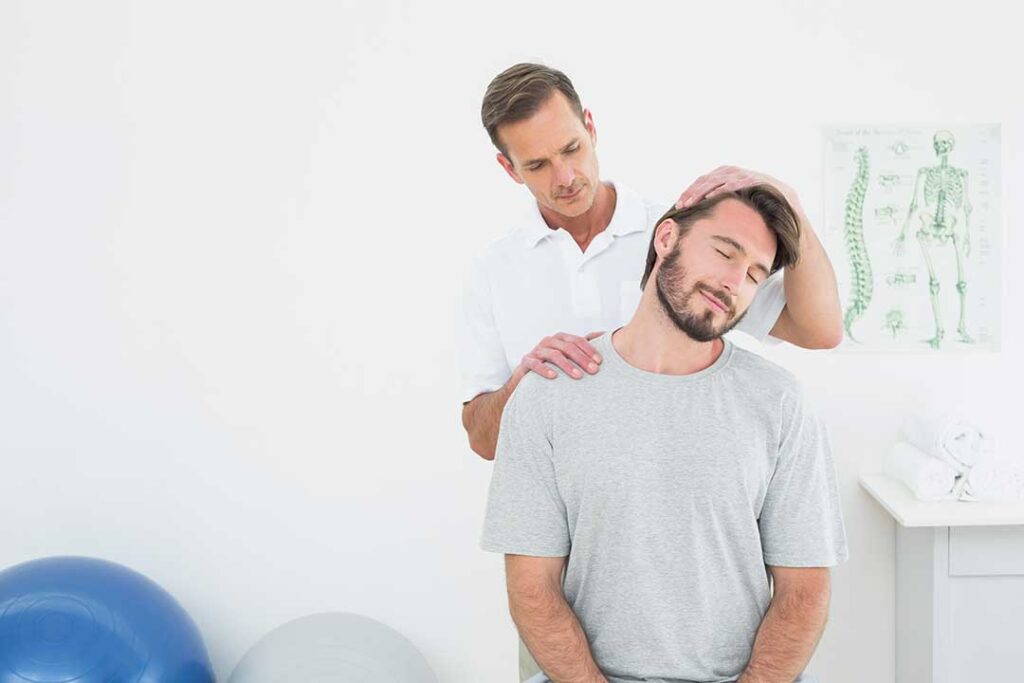
Anxiety can affect sleep, concentration, breathing, muscle tension, digestion, and daily routines. For residents of Niagara Falls, NY, chiropractic care may be worth understanding as a possible supportive option for related physical discomfort—but current evidence does not establish spinal manipulation as a primary treatment for an anxiety disorder.
Can chiropractic care reduce anxiety?
Possibly for some people, but the evidence is limited and indirect. Chiropractic treatment is mainly designed to assess and manage musculoskeletal concerns such as back pain, neck pain, joint stiffness, and movement limitations. It is not a substitute for evidence-based mental health treatment.
Some research on spinal manipulation and manual therapy has reported short-term improvements in psychological measures, including stress or anxiety symptoms. However, studies often involve people being treated for pain, not people with a diagnosed anxiety disorder. That makes it difficult to determine whether the improvement came from changes in pain, better mobility, relaxation, personal attention, or a direct effect on anxiety. A systematic review of spinal manipulation research found some psychological benefits, but the studies were limited and did not prove that chiropractic care treats anxiety itself. ([pubmed.ncbi.nlm.nih.gov](https://pubmed.ncbi.nlm.nih.gov/18054729/?utm_source=openai))
A broader 2024 review of manual therapy found positive anxiety-related results across several approaches, but only a small portion of the included studies involved osteopathic manipulation, and the review covered massage, reflexology, acupressure, and other techniques that are not interchangeable with chiropractic care. ([pubmed.ncbi.nlm.nih.gov](https://pubmed.ncbi.nlm.nih.gov/38905700/?utm_source=openai))
Why might someone feel calmer after treatment?
A person may feel temporarily calmer after hands-on care for several reasons. Reducing neck or back discomfort can make it easier to sleep, move, exercise, or participate in normal activities. Gentle physical contact, quiet surroundings, controlled breathing, and the experience of being listened to may also reduce short-term physical arousal.
Anxiety commonly causes muscle guarding. A person may tighten the shoulders, jaw, upper back, or lower back without noticing. That tension can then contribute to headaches, soreness, or restricted movement, creating a cycle in which physical discomfort and worry reinforce one another.
For people dealing with winter conditions, snow removal, slippery surfaces, cold-related stiffness, or long periods indoors, muscle tension may become more noticeable. Addressing that physical strain could help someone feel more comfortable. It should not be interpreted as proof that an underlying anxiety disorder has been corrected.
What does chiropractic care not treat?
Chiropractic treatment should not be presented as a cure for panic disorder, generalized anxiety disorder, obsessive-compulsive disorder, post-traumatic stress disorder, phobias, or severe anxiety related to depression or substance use.
Anxiety disorders are diagnosed by looking at symptoms, duration, triggers, functional effects, medical history, and possible physical causes. Established treatments can include psychotherapy—often cognitive behavioral therapy—medication, or a combination of both, depending on the person’s circumstances. The American Psychological Association identifies cognitive behavioral therapy and appropriate medications among treatments that can help anxiety-related conditions. ([apa.org](https://www.apa.org/ptsd-guideline/patients-and-families/medication-or-therapy.pdf?utm_source=openai))
A chiropractic visit may be one part of care for associated muscle or joint symptoms, but it should not delay an assessment from a primary care clinician or qualified mental health provider when anxiety is persistent, worsening, or interfering with daily life.
Could it help if anxiety is causing neck or back pain?
It may help the pain component, depending on the cause. Anxiety can contribute to prolonged muscle tension, poor sleep, reduced activity, and heightened sensitivity to discomfort. Chiropractic care may be considered alongside other conservative measures for some musculoskeletal problems, although the appropriate treatment depends on the examination and the person’s health history.
Useful questions include:
- Is the main problem anxiety, pain, or both?
- Did the physical symptoms begin after a stressful event, injury, illness, or change in activity?
- Are symptoms improving, staying the same, or spreading?
- Is sleep being disrupted?
- Are panic symptoms, intrusive thoughts, or avoidance affecting work, school, relationships, or driving?
These questions help separate supportive care for physical symptoms from treatment that is specifically needed for anxiety.
Is spinal manipulation safe for everyone?
No treatment is risk-free. Temporary soreness, stiffness, headache, or increased discomfort can occur after spinal manipulation. Research on adverse events has also found that reporting is inconsistent across clinical trials, which makes exact risk estimates difficult. ([pmc.ncbi.nlm.nih.gov](https://pmc.ncbi.nlm.nih.gov/articles/PMC10163511/?utm_source=openai))
Extra caution is appropriate for people with certain medical conditions, recent injuries, osteoporosis, bleeding disorders, active infection, significant neurologic symptoms, or unexplained severe pain. A person should share a complete medication and health history before any hands-on treatment.
Neck manipulation deserves particular care because rare but serious complications have been reported. Anyone who develops sudden severe headache or neck pain, weakness or numbness on one side, facial drooping, trouble speaking, loss of balance, fainting, or vision changes should seek emergency medical attention rather than assuming the symptoms are anxiety or muscle tension.
Can chiropractic care be combined with anxiety treatment?
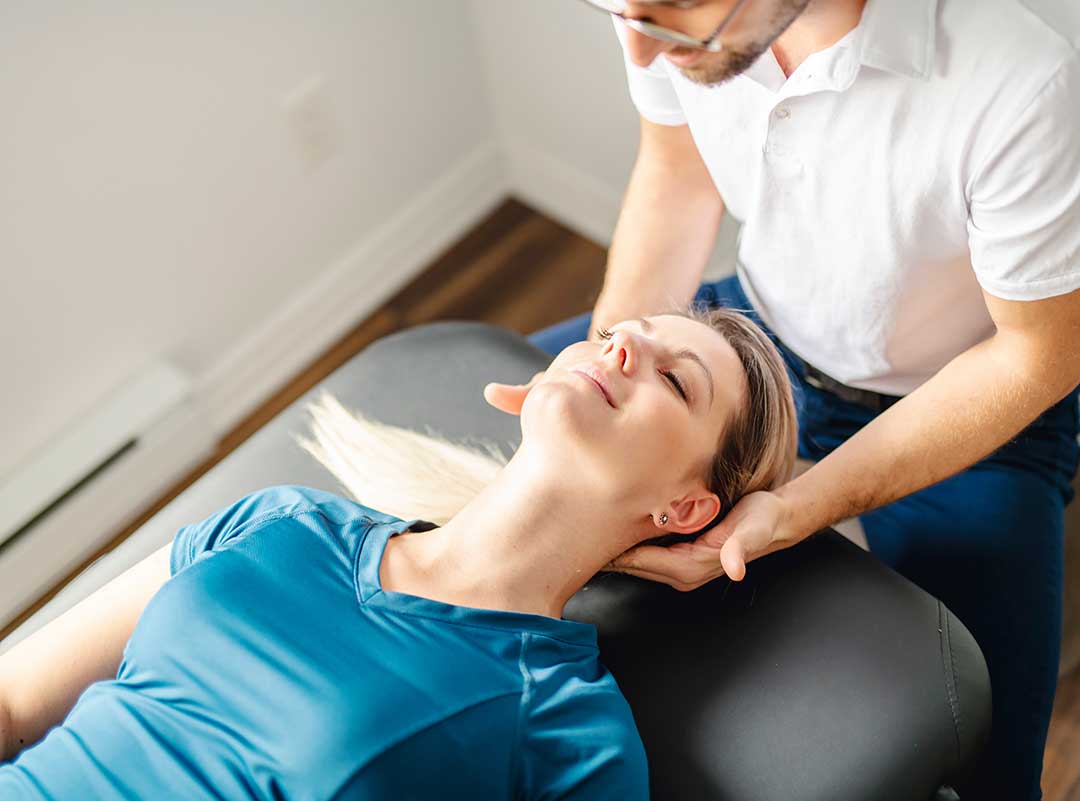
In some cases, yes. Complementary physical care can coexist with psychotherapy, medication, exercise, sleep improvement, and medical evaluation. The key is clear communication. A person should tell relevant healthcare providers about treatments being used, especially when symptoms are changing or new medications are being considered.
Chiropractic care should be viewed as supportive when the goal is improving movement or reducing musculoskeletal discomfort. It should not replace prescribed medication without medical guidance, and it should not be used as a reason to postpone mental health care.
What practical steps can help at home?
People experiencing mild stress-related tension may benefit from simple measures that address both body and mind:
- Take brief movement breaks during long periods of sitting or screen use.
- Use slow breathing with a longer exhale for several minutes.
- Maintain a regular sleep and wake schedule.
- Keep physically active within comfortable limits.
- Use heat for ordinary muscle tightness if it is safe and appropriate.
- Limit excess caffeine, especially later in the day.
- Track situations that trigger anxiety, pain, or poor sleep.
If breathing exercises increase panic, dizziness, or distress, stop and use a different calming strategy. Self-care should support—not replace—appropriate evaluation.
When should anxiety receive prompt attention?
Anxiety deserves professional attention when it lasts for weeks, repeatedly causes panic, interferes with sleep or responsibilities, leads to avoidance, or is accompanied by depression, substance misuse, or thoughts of self-harm.
Immediate help is needed for chest pain, severe trouble breathing, fainting, new neurologic symptoms, confusion, or thoughts of suicide. Those symptoms should not automatically be attributed to anxiety or a spinal problem.
The clearest answer is that chiropractic care may help some people manage pain and muscle tension that occur alongside anxiety, but it has not been established as a stand-alone treatment for anxiety disorders. A balanced plan distinguishes physical comfort from mental health treatment and uses each form of care for the problem it is best equipped to address.
