
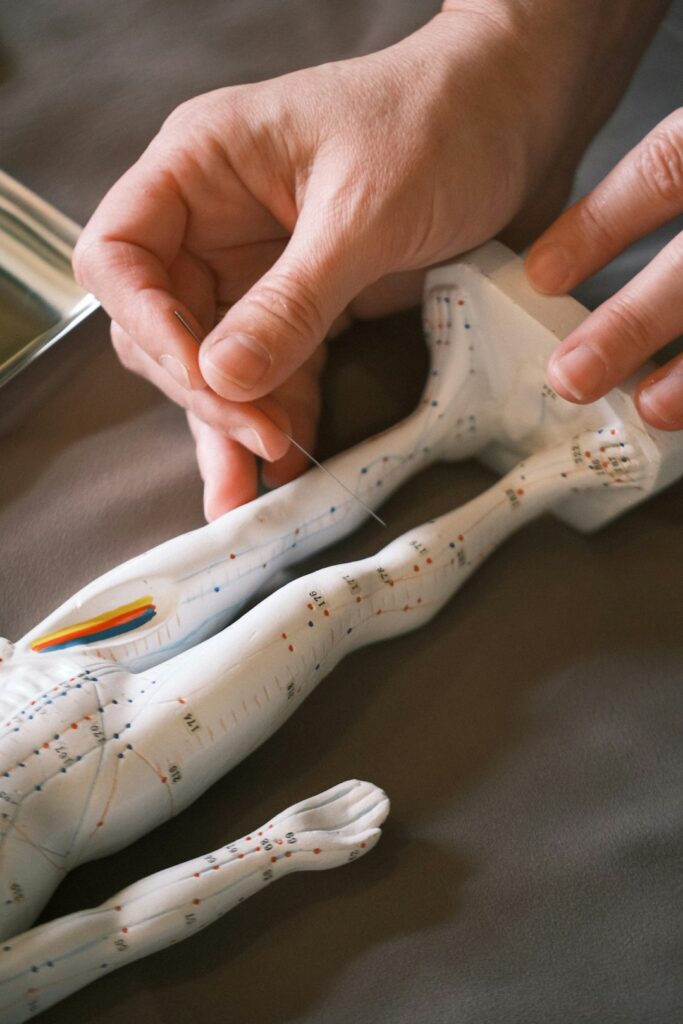
Nerve compression can begin with mild, easily overlooked symptoms: a hand that falls asleep repeatedly, tingling that travels down a leg, or weakness that makes ordinary tasks feel less controlled. Recognizing these changes early can help residents understand when rest and position changes may be reasonable—and when symptoms need prompt medical evaluation.
What does nerve compression feel like?
Nerve compression occurs when pressure from nearby muscles, joints, discs, bones, tendons, or swelling interferes with normal nerve signaling. The result may be pain, altered sensation, or reduced muscle control along the path of the affected nerve.
Common early signs include:
- Tingling or “pins and needles”
- Numbness or reduced sensitivity
- Burning, electric, aching, or shooting pain
- A feeling that an arm, hand, leg, or foot is unusually heavy
- Weakness or clumsiness
- Symptoms that worsen in certain positions
The location often provides a useful clue. Compression in the neck may cause symptoms into the shoulder, arm, hand, or fingers. Pressure in the lower back may send pain or tingling into the buttock, thigh, calf, or foot. Compression at the wrist can affect the hand and fingers, while pressure near the elbow may cause symptoms in the forearm or certain fingers.
Is tingling always an early warning sign?
Tingling is common and does not always mean a nerve is being compressed. Sitting on a leg, leaning on an elbow, or sleeping with a wrist bent can temporarily reduce nerve signaling. The sensation usually fades after pressure is removed.
Repeated or persistent tingling deserves more attention, particularly if it:
- Returns in the same area
- Lasts longer each time
- Spreads along an arm or leg
- Occurs without an obvious position-related cause
- Appears with pain, numbness, or weakness
- Wakes someone during sleep
Symptoms that continue for several days, keep returning, or interfere with walking, driving, work, sleep, or household tasks should not be dismissed as ordinary stiffness.
What are the earliest signs in the hands and arms?
Nerve compression in the upper body may begin with subtle changes in grip or sensation. A person may notice numbness in the thumb and fingers, tingling after using a keyboard, or discomfort after holding a phone, tool, steering wheel, or book.
Other clues include dropping objects, difficulty fastening buttons, reduced finger coordination, or a weaker grip on one side. Some people notice symptoms more strongly at night, especially when the wrist or elbow remains bent during sleep.
Neck-related nerve irritation may also cause pain or tingling that travels from the neck into the shoulder and arm. Turning the head, prolonged computer use, or maintaining one posture may make symptoms more noticeable, although the pattern varies.
What are the early signs in the legs and feet?
Compression affecting the lower back or leg may cause pain, tingling, numbness, or weakness on one side. Symptoms can travel from the low back or buttock down the back or side of the leg.
Early warning signs may include:
- A burning or electric sensation in the leg
- Numbness in part of the thigh, calf, foot, or toes
- A foot that feels difficult to place accurately
- Trouble walking on the heels or toes
- A knee that feels less stable
- Increased symptoms after prolonged sitting, bending, coughing, or lifting
In Niagara Falls, seasonal snow and ice can add physical demands through shoveling, pushing, carrying, and repeated bending. Those activities may aggravate an existing back or nerve problem, but sudden symptoms after a fall or forceful movement should also raise concern for an injury rather than simple compression.

How is weakness different from pain?
Pain can limit movement because movement hurts. True weakness means the muscles do not produce normal force even when a person tries.
Examples include a hand that cannot hold a familiar object, a foot that catches on the floor, difficulty rising onto the toes, or trouble lifting the front of the foot. New or progressive weakness is more concerning than soreness alone because prolonged nerve pressure can affect muscle function.
A simple comparison between sides can sometimes reveal a change, but self-testing should not replace an examination. Avoid repeatedly forcing a painful movement to “check” strength.
Can posture and daily habits contribute?
Yes. Staying in one position for long periods can increase pressure around a nerve. Common contributors include prolonged sitting, resting an elbow on a hard surface, sleeping with the neck or wrist sharply bent, repetitive gripping, and frequent lifting with poor control.
Cold-weather routines may also change movement patterns. Layered clothing, bulky boots, slippery surfaces, and less outdoor activity can encourage guarded posture and reduced mobility. These factors do not prove nerve compression, but they can make symptoms more noticeable.
Helpful short-term measures may include changing positions regularly, avoiding direct pressure on an elbow or wrist, using comfortable sleep positions, and reducing activities that clearly increase radiating symptoms. Complete bed rest is usually not helpful for ordinary back or neck discomfort.
When should nerve symptoms be checked promptly?
Arrange timely medical evaluation if symptoms persist, worsen, repeatedly return, or occur with measurable weakness. Evaluation is also appropriate after a significant fall, collision, lifting injury, or other event that could have affected the spine or a limb.
Numbness may have causes unrelated to mechanical nerve pressure, including circulation problems, metabolic conditions, medication effects, nutritional deficiencies, or disorders affecting the nervous system. A proper assessment may involve a symptom history, strength and sensation testing, reflexes, and additional testing when indicated.
A chiropractor may assess musculoskeletal contributors, but nerve symptoms can overlap with conditions that require medical or neurological evaluation. Persistent or unexplained changes should be approached as a health concern rather than assumed to be a simple “pinched nerve.”
Which symptoms require emergency care?
Seek emergency care immediately for new nerve symptoms accompanied by any of the following:
- Loss of bladder or bowel control
- Inability to urinate or difficulty starting urination
- Numbness around the inner thighs, buttocks, genitals, or “saddle” area
- Severe or rapidly worsening weakness in one or both legs
- Symptoms affecting both legs along with significant back pain
- Sudden weakness, facial drooping, trouble speaking, confusion, or difficulty understanding speech
- Numbness after a major injury, especially with severe neck or back pain
These signs can indicate serious spinal, neurological, or other medical problems where delaying care may increase the risk of lasting harm.
Early nerve compression is often more subtle than dramatic. Tracking when symptoms begin, where they travel, what positions affect them, and whether strength is changing can provide useful information and help distinguish a temporary pressure episode from a problem that needs further attention.
